
3 hadiths on gifts: giving and receiving without contempt
Accepting a modest present, giving something in return and not belittling a neighbour’s gift: three hadiths explained.
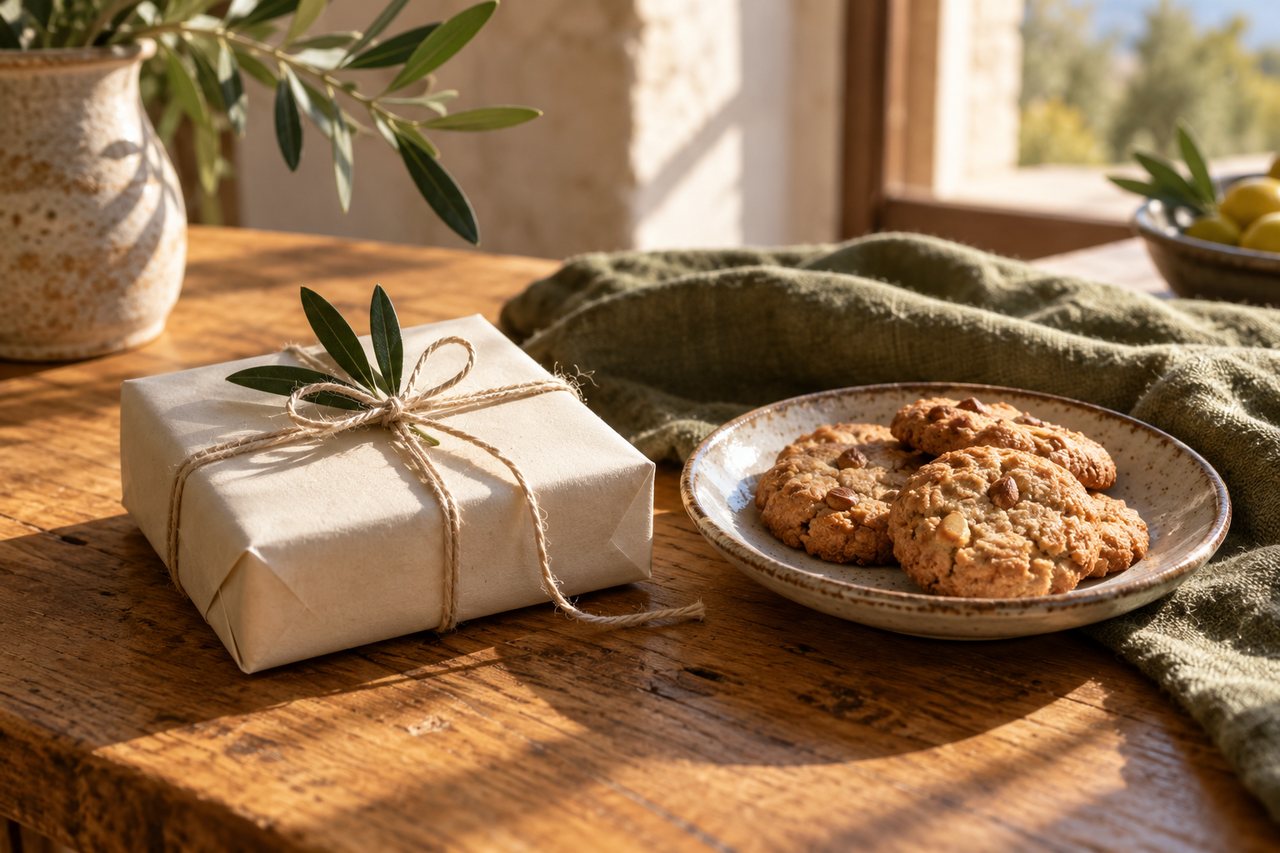
A gift can be received with joy or immediately assessed: its brand, its price, how it compares with another. Someone who wants to give may also abandon the idea because they think their present is too small. The hadiths gathered here turn attention towards the gesture: accepting, responding to generosity and not belittling what is offered.
They concern ordinary presents exchanged between people. A portion of food belongs among them; there is no need to wait for a special occasion or an expensive purchase to think of someone.
Article contents
Accepting even a modest present
The context of the narration
Abu Hurayrah reports a saying of the Prophet ﷺ that brings together an invitation to eat and a gift. The Prophet mentions two cuts of meat, including a foot, to say that he would accept even something that seems insignificant.“If I were invited to a meal of a foreleg or a foot, I would accept the invitation; and if I were given a foreleg or a foot as a gift, I would accept it.”
Read the Arabic text
لَوْ دُعِيتُ إِلَى ذِرَاعٍ أَوْ كُرَاعٍ لأَجَبْتُ، وَلَوْ أُهْدِيَ إِلَىَّ ذِرَاعٌ أَوْ كُرَاعٌ لَقَبِلْتُ
Understanding this hadith
The Prophet ﷺ said he would accept even a small portion of meat. A gift’s price or size is therefore no reason to look down on it.
A portion of homemade food or an inexpensive object can therefore be received without comparing it with something else. Saying “thank you for thinking of me” acknowledges a particular kindness. Adding that you already own a more expensive version or that the gift costs next to nothing risks causing needless hurt.
Sometimes a present is unusable for its recipient. Briefly explaining a real constraint, such as being unable to eat the food offered, allows you to give thanks without pretending. The account challenges contempt for small things; it does not require you to invent enjoyment or usefulness that you do not feel.
The Prophet accepted gifts and gave something in return
The context of the narration
‘Aishah describes a habit of the Messenger of Allah ﷺ.“The Messenger of Allah ﷺ used to accept gifts and give something in return.”
Read the Arabic text
كَانَ رَسُولُ اللَّهِ صلى الله عليه وسلم يَقْبَلُ الْهَدِيَّةَ وَيُثِيبُ عَلَيْهَا
Understanding this hadith
Aisha reports two habits of the Prophet ﷺ: he accepted gifts and gave something in return. The report sets neither an amount nor a deadline for that return.
‘Aishah specifies neither an amount nor a deadline here. This sentence cannot therefore be turned into a bill to repay, nor can a recipient be required to give a gift of equal value before a set date. Giving with the expectation of an obligatory return would place an unannounced condition on the other person.
To respond to a gesture, you can choose a present suited to the person and your means: food they enjoy or an object they need. If you cannot buy anything, you can still offer sincere thanks. A lack of money is no reason to go into debt to keep up appearances or to withdraw out of embarrassment.
Not belittling a neighbour’s gift
The context of the narration
Abu Hurayrah reports this advice from the Prophet ﷺ to Muslim women. The relationship mentioned is between two women who are neighbours, and the gift described is very modest.“O Muslim women, let no woman look down on what her neighbour gives her, even a sheep’s foot.”
Read the Arabic text
يَا نِسَاءَ الْمُسْلِمَاتِ لاَ تَحْقِرَنَّ جَارَةٌ لِجَارَتِهَا وَلَوْ فِرْسِنَ شَاةٍ
Understanding this hadith
The choice of such a small present makes the advice accessible to people who have little. Waiting until you can give a lot may prevent an exchange that would already have been appreciated. For the recipient, a small gift is no reason to put her neighbour down.
This restraint also applies to comments made after the person has left. Posting a photo of the present to mock it, laughing about its price or comparing it with gifts from another relative extends the contempt beyond the original exchange.
For the giver, a simple present can be chosen with care: check that the food is suitable, offer an object that is clean and usable, and avoid a quantity that creates clutter. A modest budget does not prevent this consideration for the recipient.
Also read: setting aside a share of a meal for your neighbours.
In practice
- You are hesitant to give a small presentChoose something the person will find useful or enjoyable, within your budget.Read the advice about a small gift
- You receive a simple giftThank the person for their thoughtfulness without commenting on its price or comparing it with another gift.Read the saying about accepting gifts
- You would like to give something in returnLook for something the person would enjoy without turning the exchange into a competition over price.Read ‘Aishah’s testimony
Sources
- Sahih al-Bukhari · 2568Accepting even a modest present
- Sahih al-Bukhari · 2585The Prophet accepted gifts and gave something in return
- Sahih al-Bukhari · 6017Not belittling a neighbour’s gift