
Hajj and Dhul-Hijjah
Arafah, Eid and fasting
What the texts help you prepare at home, and why pilgrims at Arafah are in a different situation.
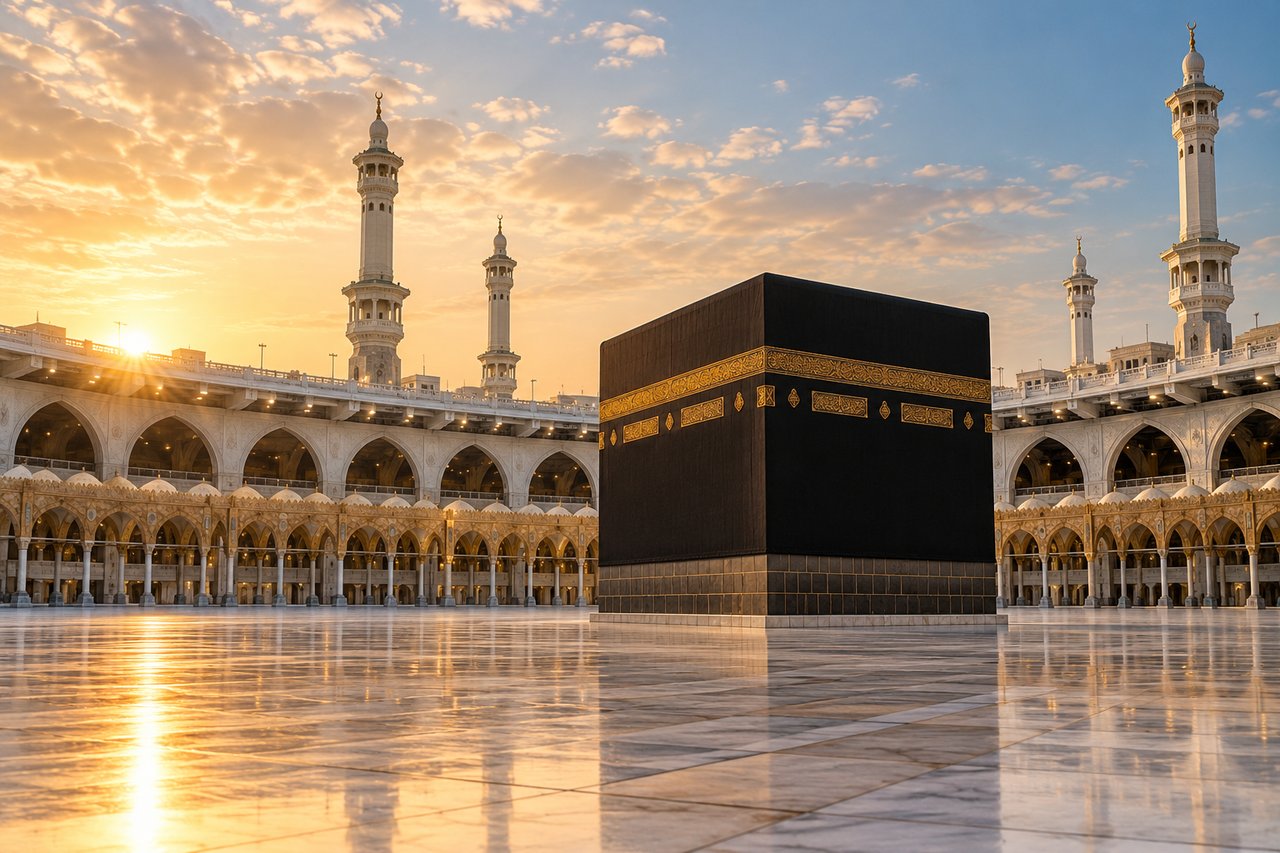
Dhul-Hijjah is the month of Hajj, but its opening days also matter to those staying home. Hadiths encourage good deeds and distinguish Arafah on the ninth, Eid al-Adha on the tenth and Tashriq from the eleventh to the thirteenth.
This guide explains these distinctions to help organise worship and fasting dates. It does not describe the sequence of Hajj rites: pilgrimage requires learning suited to the pilgrim’s circumstances. No fixed civil date can replace these lunar dates; check the announcement of the month followed by your community.
- 1–8Good deeds
The first ten days are a time for good deeds.
- 9Arafah
Recommended fasting for non-pilgrims; distinguish pilgrims at Arafah.
- 10Eid al-Adha
Do not fast on this festival day.
- 11–13Days of Tashriq
No voluntary fasting, including on the thirteenth.
The exception for a pilgrim without hady is explained in the article; it does not permit ordinary voluntary fasting.
Sunan Abu Dawud 2438 Sahih Muslim 1162b Sahih Muslim 1123a Sahih al-Bukhari 1990 Sahih al-Bukhari 1997
Article contents
The first ten days: which good deeds?
The context of the narration
Ibn ‘Abbas reports the Prophet’s ﷺ words about good deeds during the first ten days of Dhul-Hijjah. We quote the opening of the report. This version is graded sahih by al-Albani.“There are no days on which righteous deeds are more beloved to Allah than these days.”
Read the Arabic text
مَا مِنْ أَيَّامٍ الْعَمَلُ الصَّالِحُ فِيهَا أَحَبُّ إِلَى اللَّهِ مِنْ هَذِهِ الأَيَّامِ
Understanding this hadith
The next words identify the ten days. The saying concerns righteous deeds, not fasting alone. It therefore also speaks to those staying home while others perform Hajj. Prayer, charity and helping a relative are ways to devote time to good; this report sets no numbered programme for each day.
Prepare something manageable: set aside money for charity, provide help you promised or make time to read the Quran. These are suggestions for organising your time, not a list of rites transmitted in this hadith.
The first ten days include Eid. This does not mean fasting all ten: fasting on Eid is forbidden. The virtue of a period does not remove the rules governing each act.
Also read: good deeds and consistency.
Fasting on Arafah for those not performing Hajj
The context of the narration
Abu Qatadah reports several answers the Prophet ﷺ gave to questions about fasting. This question concerns Arafah, the ninth of Dhul-Hijjah.“It expiates the past year and the coming year.”
Read the Arabic text
يُكَفِّرُ السَّنَةَ الْمَاضِيَةَ وَالْبَاقِيَةَ
Understanding this hadith
This answer explains the special place of Arafah in voluntary fasting. Two years are mentioned; for Ashura, the same report mentions only the past year. Preserve that difference when sharing the text.
This fasting recommendation is addressed here to non-pilgrims. The next account shows that the Prophet ﷺ drank at Arafah during his pilgrimage. The same programme cannot therefore be applied to everyone that day.
The stated expiation encourages seeking forgiveness, not planning wrongdoing. Other people’s rights do not become unimportant because a fasting day is approaching: borrowed property still needs returning and harm still needs repairing.
Also read: the different merit of fasting Ashura.
At Arafah, the Prophet drank milk
The context of the narration
Umm al-Fadl recounts people debating in her presence whether the Messenger of Allah ﷺ was fasting on Arafah. They disagreed, so she sent him milk.“I sent him a cup of milk while he was on his camel at Arafah, and he drank it.”
Read the Arabic text
فَأَرْسَلْتُ إِلَيْهِ بِقَدَحِ لَبَنٍ وَهُوَ وَاقِفٌ عَلَى بَعِيرِهِ بِعَرَفَةَ فَشَرِبَهُ
Understanding this hadith
The Prophet ﷺ drank in front of the pilgrims while standing at Arafat. Muslim places this report in the chapter recommending that the pilgrim at Arafat does not fast that day.
If preparing for Hajj, distinguish advice for people at home from guidance for your pilgrimage. Standing at Arafah is not simply a slot in a fasting calendar. Learn the rites with your qualified guide; this account explains why the day is approached differently in the two situations.
Eid and Tashriq are not days for voluntary fasting
The context of the narration
Nubaisha al-Hudhali transmits this saying of the Messenger of Allah ﷺ. Tashriq comprises the eleventh, twelfth and thirteenth of Dhul-Hijjah, following Eid al-Adha on the tenth.“The days of Tashriq are days of eating and drinking.”
Read the Arabic text
أَيَّامُ التَّشْرِيقِ أَيَّامُ أَكْلٍ وَشُرْبٍ
Understanding this hadith
Eid itself is covered by a separate text: al-Bukhari 1990 reports the prohibition on fasting the two festivals, Eid al-Fitr and Eid al-Adha. The ninth and tenth of Dhul-Hijjah are therefore not interchangeable fasting dates.
For Tashriq, al-Bukhari 1997 preserves an exception for a pilgrim unable to obtain the hady, the pilgrimage offering. This specific exception does not permit ordinary voluntary fasting on the eleventh, twelfth or thirteenth. Questions about that pilgrimage situation need suitable guidance.
In your personal calendar, leave these dates for celebration and appropriate deeds instead of marking them as fasts. The thirteenth remains a day of Tashriq even when it appears in a monthly list of white days.
Also read: the thirteenth of Dhul-Hijjah and the white days.
In practice
- You are staying homeChoose a good deed and prepare what you need to carry it out.Read about the ten days
- You are going to HajjDistinguish the pilgrim’s programme from fasting advice for non-pilgrims.Read the Arafah account
- You are planning your calendarMark the tenth and eleventh–thirteenth separately from voluntary fasts.Check the excluded days
Sources
- Sunan Abu Dawud · 2438The first ten days: which good deeds?
- Sahih Muslim · 1162bFasting on Arafah for those not performing Hajj
- Sahih Muslim · 1123aAt Arafah, the Prophet drank milk
- Sahih Muslim · 1141aEid and Tashriq are not days for voluntary fasting
Egypt’s Dar al-Ifta: 13 Dhul-Hijjah and Tashriq.
Back to the start ↑