
Privacy in Islam: asking permission and not spying
Three hadiths on permission to enter, identifying yourself at the door and respecting privacy without spying.
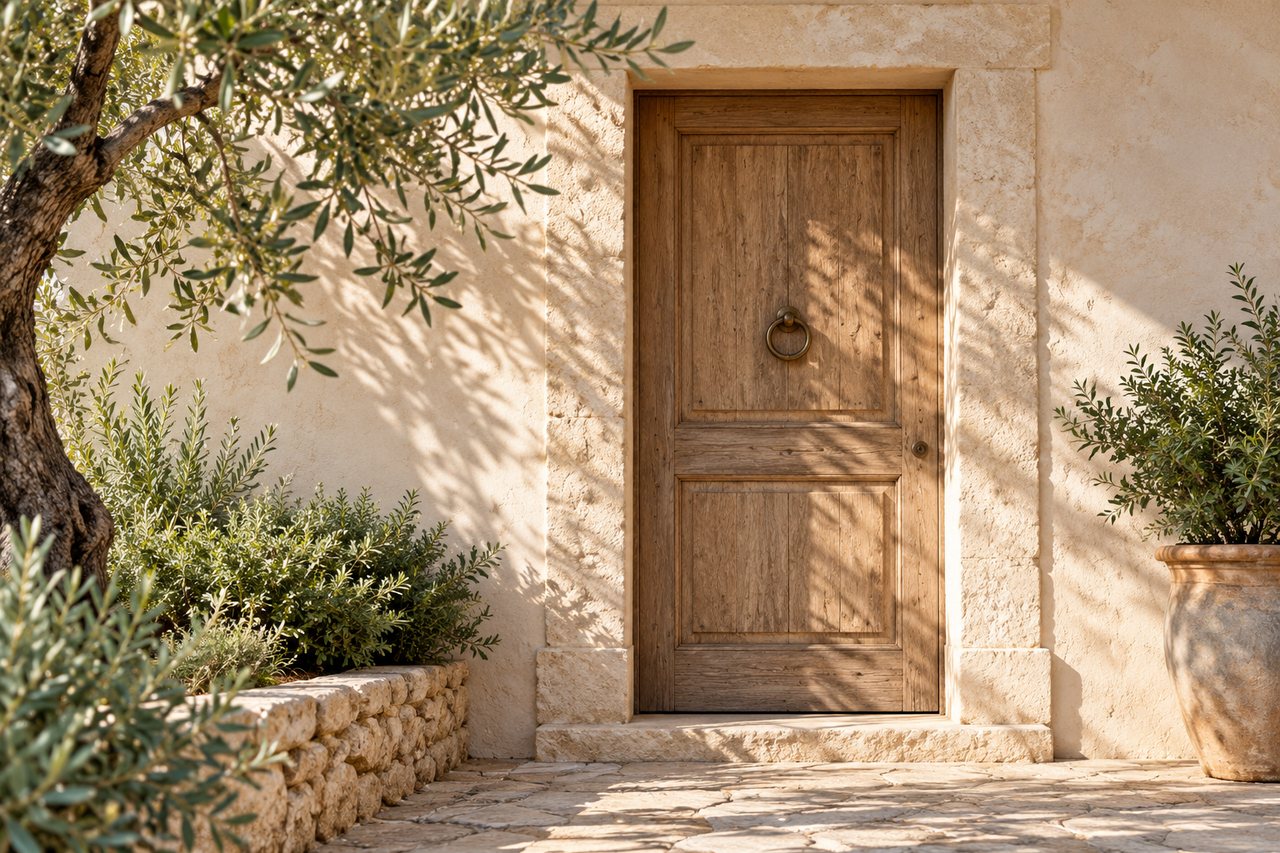
A closed door, a phone lying on a table or a conversation in low voices can arouse curiosity. Hadiths ask us to respect what another person has not chosen to make accessible.
Asking permission involves accepting that you may not receive it. The following three texts also explain why suspicion does not authorise spying and how to identify yourself when knocking at a door.
Article contents
Asking permission and leaving without insisting
The context of the narration
Abu Sa‘id al-Khudri relates that Abu Musa came anxiously to the Ansar. He had asked three times to enter ‘Umar’s home, then left without receiving permission. ‘Umar asked why and requested a witness to the prophetic saying he cited. Abu Sa‘id, the youngest in the gathering, then accompanied Abu Musa and confirmed that he had heard this saying:“If one of you asks permission to enter three times and is not given permission, let him leave.”
Read the Arabic text
إِذَا اسْتَأْذَنَ أَحَدُكُمْ ثَلاَثًا فَلَمْ يُؤْذَنْ لَهُ، فَلْيَرْجِعْ
Understanding this hadith
Abu Musa does not turn his visit into a right to be received. A request requires an answer: silence does not give him permission to enter. Leaving protects the availability and privacy of the person at home.
When visiting, announce your presence and wait for an invitation before crossing the threshold. If nobody answers, do not try another entrance or keep ringing. You can suggest an appointment later. A visit that does not happen need not lead you to conclude that your relative or friend is rejecting you.
The transmitted number concerns requests to enter. The account does not establish a religious number of telephone calls or messages. For those exchanges, the suggested application is to give the other person time to respond without pressing them.
Not searching for what someone has not shared with you
The context of the narration
Abu Hurayrah reports a saying of the Prophet ﷺ that brings together several harms to relationships: suspicion, searching for faults, spying, envy, estrangement and hatred. The final call to brotherhood gives the purpose of these prohibitions.“Beware of suspicion, for suspicion is the falsest of speech. Do not seek out one another’s faults, do not spy on one another, do not envy one another, do not turn your backs on one another and do not hate one another. Be brothers, O servants of Allah.”
Read the Arabic text
إِيَّاكُمْ وَالظَّنَّ، فَإِنَّ الظَّنَّ أَكْذَبُ الْحَدِيثِ، وَلاَ تَحَسَّسُوا، وَلاَ تَجَسَّسُوا، وَلاَ تَحَاسَدُوا، وَلاَ تَدَابَرُوا، وَلاَ تَبَاغَضُوا، وَكُونُوا عِبَادَ اللَّهِ إِخْوَانًا
Understanding this hadith
A notification visible on a phone does not give permission to read the conversation. Likewise, suspicion alone does not authorise searching someone’s belongings.
Reading a relative’s private messages without their knowledge, going through their belongings or looking into their home to satisfy curiosity are present-day examples of this problem. If a question concerns you, put it to the person without building a case from details gathered in secret.
Respecting privacy does not mean ignoring a danger you have observed. Asking for help or reporting facts to protect someone meets a need for protection; it is not the curiosity addressed here.
Respect for this privacy also concerns what you hear. If people step aside to talk, do not follow them to hear the rest. Hearing a sentence in passing does not require you to stay and listen to their confidence.
Also read: understanding why revealing something true can be backbiting.
Saying who you are when you knock
The context of the narration
Jabir ibn ‘Abdullah came to see the Prophet ﷺ about a debt of his father’s. He knocked at the door. The Prophet ﷺ then asked who was there; Jabir relates his answer and the reaction it prompted.“He asked: “Who is it?” I replied: “Me.” He said: “Me, me?” as though he disapproved of that answer.”
Read the Arabic text
فَقَالَ مَنْ ذَا فَقُلْتُ أَنَا فَقَالَ أَنَا أَنَا كَأَنَّهُ كَرِهَهَا
Understanding this hadith
“Me” does not identify who is asking to enter. The visitor may recognise the voice of the person answering without the reverse being true. Giving your name allows the person to decide whether to receive you while knowing whom they are opening the door to.
At the door or over an intercom, say your name rather than asking the other person to guess. If they do not know you well, add useful information: “I am your neighbour on the second floor” or “We had an appointment.” Introducing yourself does not remove the need to wait for permission to enter.
In practice
- Nobody answers when you visitAfter the requests to enter reported in the hadith, leave and suggest another time.Read Abu Musa’s account
- A private screen is open in front of youLook away and return the device without browsing the messages.Reread the prohibition on spying
- You are asked who is at the doorGive your name and wait to be invited in.Read the exchange reported by Jabir
Sources
- Sahih al-Bukhari · 6245Asking permission and leaving without insisting
- Sahih al-Bukhari · 6064Not searching for what someone has not shared with you
- Sahih al-Bukhari · 6250Saying who you are when you knock